
Details to confirm before a truck or lorry quote
Describe the load by weight, dimensions and packing, whether palletised, loose or crated. Ask the recipient whether unloading will be by forklift, at a loading dock or by hand, and whether their site has height, length or weight limits for delivery vehicles. Provide driver licence details and say whether the hire is for business use, so the team can confirm driver and operator requirements with you before booking.
How the right vehicle is confirmed
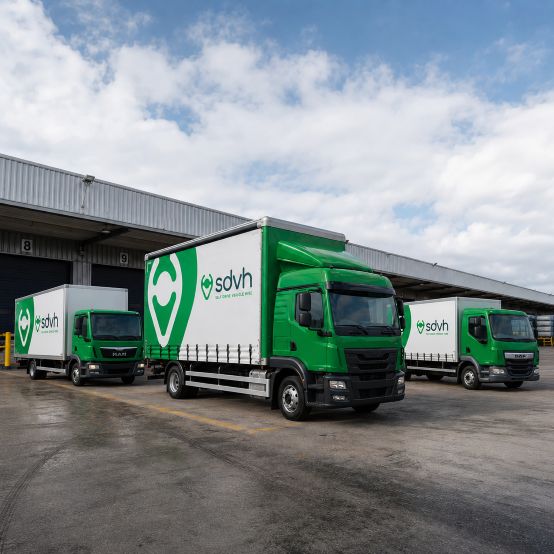
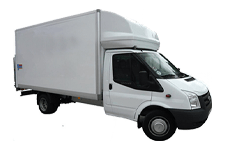
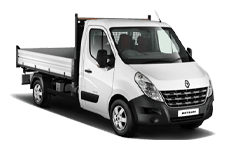
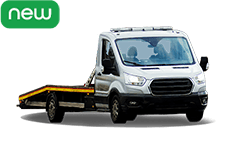
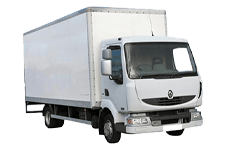
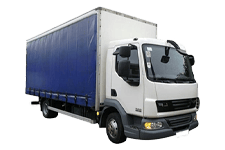
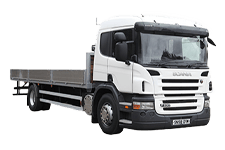
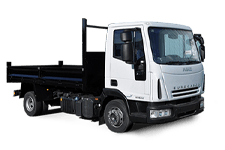
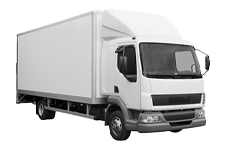
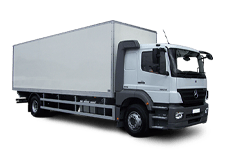
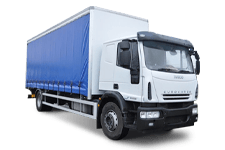
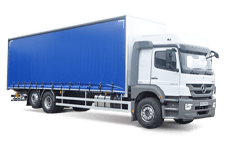
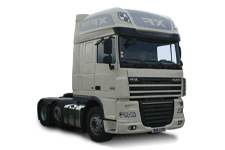
Which commercial vehicle suits you depends on the size of the load, any route restrictions and who will be driving. The smaller 3.5T options can suit many bulky moves, whereas 7.5T and heavier vehicles need closer checks on entitlement, operator requirements and delivery access. Subject to dates, driver details and availability, the range includes the Ford Luton 3.5 Tonne Box with Tail Lift, 3.5 Tonne Tipper Transit Truck, 3.5 Tonne Recovery Truck, 7.5 Tonne Box Truck With Tail Lift and 7.5 Tonne Curtain Side Truck. Because the exact make, model, transmission, seats, payload and licence position are confirmed at the quote stage, use the vehicle examples as a guide to the type of hire on offer rather than as a guaranteed booking of a specific model.
Details Worth Writing Down First
Start with the facts a hire team will need before they can suggest anything. Write down the dimensions of your load: length, width and height at the largest points, plus the total weight if you know it or can estimate it from packaging labels. Note the route you expect to take, including any streets with width restrictions, low bridges or gates you are unsure about. Record the dates and times you need the vehicle, the pickup and drop-off addresses, and a contact number for whoever receives the goods. If the delivery is timed, such as a warehouse slot, write down the booking reference and the window you have been given. When you ask for a quote, present all of this together and ask which vehicle class and hire terms match, since gaps in the information usually delay a clear answer.
Checking Access at Both Ends of the Route
Access questions are best answered by the people at each address rather than assumed. Contact the site receiving the load and ask for the entrance height and width, the angle of any approach, and whether there are bollards, barriers or weight limits on the final stretch. Do the same at the collection point, and note the name of whoever confirms those figures along with the date they told you. If parking or waiting arrangements matter, ask about them at the same time and write the answers down. Where a gate or yard looks marginal on a photograph, ask for exact measurements instead. When you speak to the hire team, pass on these access notes with your load dimensions and route, and ask what else they need to check the vehicle class properly, since their questions will highlight anything still missing.
Explore other truck hire areas
Things to check before booking
Before the hire is confirmed, check the main details: availability of the vehicle, what is required of drivers, mileage, insurance, delivery or collection arrangements and any extras requested. Weight, body style, mileage, cross-border use, driver status and commercial purpose can all alter truck terms, so these points should be checked before a vehicle is reserved. When making a request, include the date, how long you need the vehicle, the approximate route, the delivery or pickup address, the expected passengers or load, and any special requirements that could affect which vehicle is suitable.