

Details to confirm before a truck or lorry quote
Describe the load by weight, dimensions and packing, whether palletised, loose or crated. Ask the recipient whether unloading will be by forklift, at a loading dock or by hand, and whether their site has height, length or weight limits for delivery vehicles. Provide driver licence details and say whether the hire is for business use, so the team can confirm driver and operator requirements with you before booking.
Fitting the truck to your route
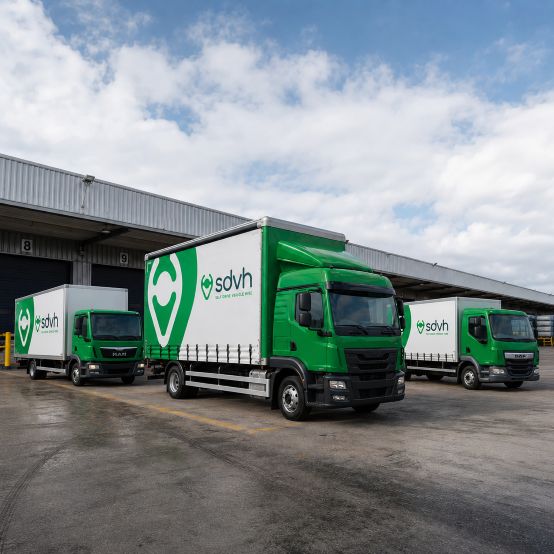
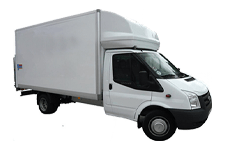
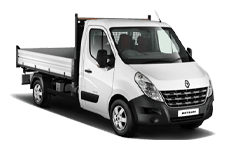
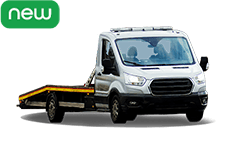
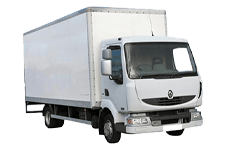
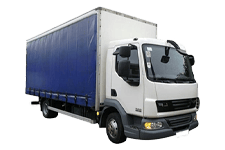
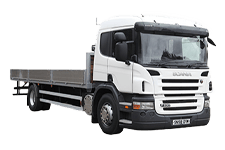
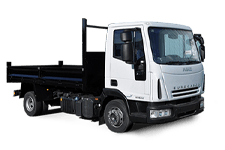
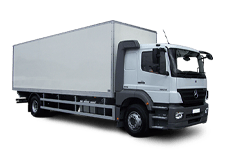
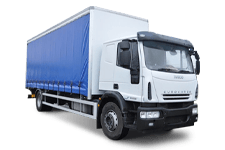
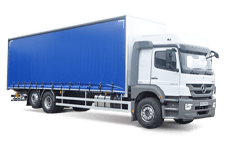
Choose the truck according to how the load will be handled. A box or Luton-style body usually suits goods that need protecting, a tail lift helps where there is little loading equipment, and dropsides can work well for materials needing open-side access. Subject to dates, driver details and availability, the range covers the Ford Luton 3.5 Tonne Box with Tail Lift, 3.5 Tonne Tipper Transit Truck, 3.5 Tonne Recovery Truck, 7.5 Tonne Box Truck With Tail Lift and 7.5 Tonne Curtain Side Truck. The quote stage confirms the exact make, model, transmission, seats, payload and licence position, so these vehicles serve as a guide to the type of hire available and not as a guaranteed reservation of a particular model.
Sharing Site Instructions With the Driver
Who will actually be driving on the day, and what will they need to know before they arrive? If you are arranging the hire on someone else's behalf, gather the site instructions early. Write down gate codes, opening hours, speed limits on private roads and the name of the person who supervises arrivals at each end. Note whether vehicles must report to an office or security post first, and record any restrictions the site operator has mentioned, such as height barriers or rules about waiting on the access road. Keep a phone number for the site contact in case plans change on the morning. When you ask for a quote, pass these details to the team so the driver briefing can be prepared, and ask whether any of the restrictions affect the vehicle categories available for your dates.
Preparing a Load Inventory
A written inventory is the most useful document you can prepare before requesting a truck. List every item intended for the load, grouping similar things together, such as twenty pallets of materials, a site cabin, or a mixture of tools and cable drums. For each entry, note the rough dimensions and, where relevant, whether the item is a single piece or comes in parts. Count loose bundles separately rather than estimating, and mark anything that belongs to a particular recipient or phase of work so it can be identified at the far end. Photographing unusual items gives the team a quick reference without lengthy descriptions. When you submit the inventory for a quote, ask whether the team needs any entries expanded and whether the list should be updated if the load changes before your confirmed dates.
Explore other truck hire areas
What to confirm on the phone
Before you confirm the hire, go through the essentials: vehicle availability, driver requirements, mileage, insurance, delivery or collection arrangements and any extras you have asked for. With truck hire, the booking team should check the driver category, operator position, mileage terms, insurance, payload, body type and where the vehicle can be delivered or collected safely. It helps if your request includes the date, hire length, approximate route, delivery or pickup address, expected passengers or load, and any special requirements that might affect the suitability of the vehicle.