
Details to confirm before a truck or lorry quote
Describe the load by weight, dimensions and packing, whether palletised, loose or crated. Ask the recipient whether unloading will be by forklift, at a loading dock or by hand, and whether their site has height, length or weight limits for delivery vehicles. Provide driver licence details and say whether the hire is for business use, so the team can confirm driver and operator requirements with you before booking.
Fitting the truck to your route
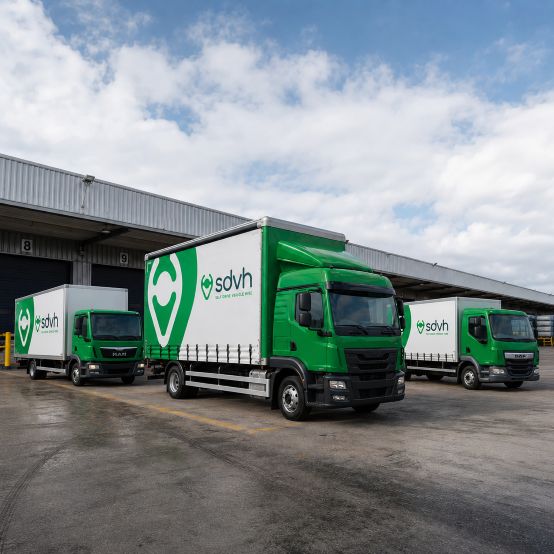
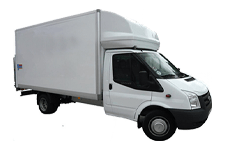
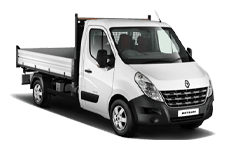
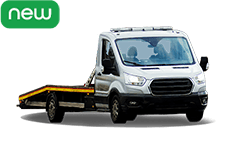
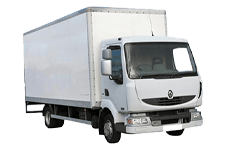
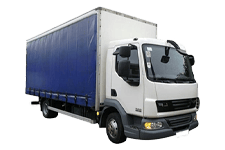
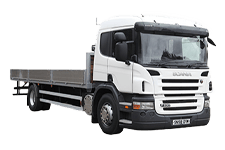
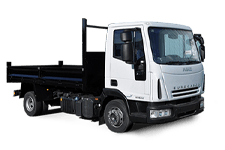
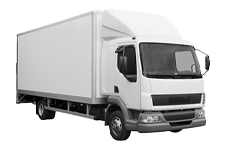
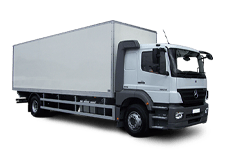
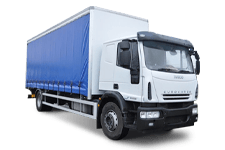
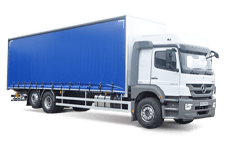
Weight, body type and access should shape your choice of truck. A tail-lift box suits heavier loads that need handling, a curtain-side works well for palletised deliveries, a dropside helps with site access, and bigger trucks may need operator licence checks. Depending on dates, driver details and availability, the range covers the Ford Luton 3.5 Tonne Box with Tail Lift, 3.5 Tonne Tipper Transit Truck, 3.5 Tonne Recovery Truck, 7.5 Tonne Box Truck With Tail Lift and 7.5 Tonne Curtain Side Truck. Because the exact make, model, transmission, seats, payload and licence position are only confirmed at quote stage, the vehicles listed show the type of hire available and are not a guaranteed reservation of a specific model.
Sequencing your deliveries sensibly
How do you organise a day with four separate drops? The answer usually begins with a written sequence. List each delivery address in the order you intend to visit, and beside every one note the recipient's name, phone number and any preferred contact window. Record the items destined for each stop, with their dimensions if they are bulky, and the access arrangements at each address, including height barriers, gate restrictions or time-limited loading bays. Add your route timing estimates for each leg, allowing for the hours when certain sites accept deliveries. If any recipient needs warning before arrival, mark that on the list. When you call about truck hire, present this sequence and discuss vehicle weight, loading method, access, route timing and driver entitlement, so the team can confirm which option, from box bodies to tail-lift vehicles or dropsides, matches your plan where terms allow.
Matching the vehicle to what you carry
The items themselves tell you much of what the booking conversation needs to cover. Walk through your load list and note each piece's dimensions, whether it rolls, whether it is palletised, and whether anyone at the destination will help receive it. Some loads suggest a box body, others a dropside, while goods that sit on pallets may point towards a tail-lift vehicle, and the team can advise once they have the details. Record the loading method you expect to use at each end and any equipment that forms part of your plan, then check that your driver entitlement covers the vehicle weight under discussion. Write down your route timing and the access arrangements at every stop, including any recipient contact details you hold. Bringing all of this to the booking call allows the specifics to be confirmed before anything is settled.
Explore other truck hire areas
What to confirm on the phone
Before you confirm your hire, check the essentials: vehicle availability, driver requirements, mileage, insurance, delivery or collection arrangements and any extras you have requested. Commercial truck hire also needs operator licence requirements, driver entitlement and delivery access confirmed, alongside mileage and insurance arrangements, before the hire is agreed. A clear request includes the date, the length of hire, the approximate route, the delivery or pickup address, the expected passengers or load, and any special requirements that could affect which vehicle is suitable.