

Details to confirm before a truck or lorry quote
Describe the load by weight, dimensions and packing, whether palletised, loose or crated. Ask the recipient whether unloading will be by forklift, at a loading dock or by hand, and whether their site has height, length or weight limits for delivery vehicles. Provide driver licence details and say whether the hire is for business use, so the team can confirm driver and operator requirements with you before booking.
Fitting the truck to your route
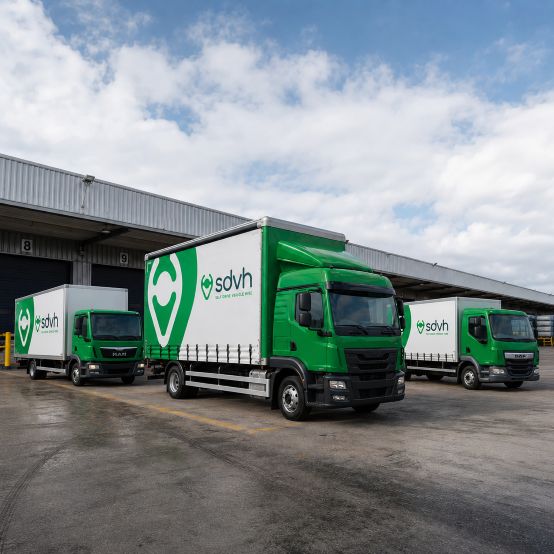
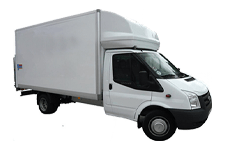
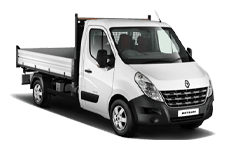
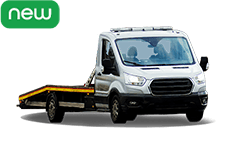
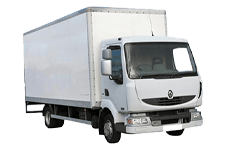
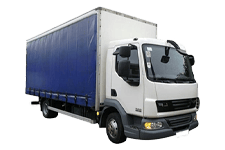
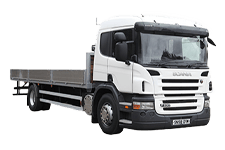
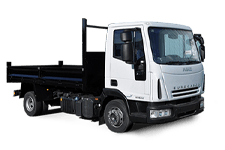
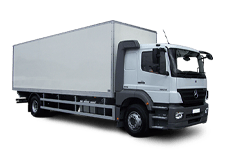
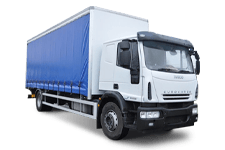
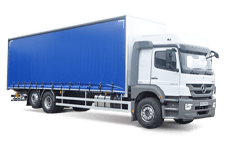
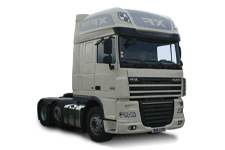
Weight, body type and access should shape your choice of truck. A tail-lift box suits heavier loads that need handling, a curtain-side works well for palletised deliveries, a dropside helps with site access, and bigger trucks may need operator licence checks. Depending on dates, driver details and availability, the range covers the Ford Luton 3.5 Tonne Box with Tail Lift, 3.5 Tonne Tipper Transit Truck, 3.5 Tonne Recovery Truck, 7.5 Tonne Box Truck With Tail Lift and 7.5 Tonne Curtain Side Truck. Because the exact make, model, transmission, seats, payload and licence position are only confirmed at quote stage, the vehicles listed show the type of hire available and are not a guaranteed reservation of a specific model.
Writing a Load Inventory
Begin with a written list of everything you plan to move. For each item, record its approximate dimensions, whether it is a single piece or comes apart, and any handling notes, such as containing fragile goods or requiring a tail-lift vehicle. Group similar items together, for example ten pallets of stock, two workbenches and a stack of crates, so the list reads clearly when shared. Count boxes rather than estimating, and note anything with an unusual shape that might affect the vehicle choice. Once the inventory exists, you can use it when speaking to the team about whether a box body or dropside matches your requirements, and you will have a ready reference if quantities change before the hire date arrives.
Sharing Site Instructions with Your Driver
Begin by writing down the details of every site your load will visit. For each address, record the name and phone number of the person receiving the goods, plus any time window they have specified and their preferred contact method. Note which items belong at which stop, with quantities listed against each address so nothing is ambiguous. Include access information gathered from the destination contact, such as gate codes, height barriers or which yard entrance to use, rather than assuming details. Record the expected arrival time and whether the recipient needs advance warning by call or message. Keep your notes flexible in draft form, since the booking call may raise points about vehicle weight, loading method, access or driver entitlement that influence how the day is structured before anything is confirmed.
Explore other truck hire areas
What to confirm on the phone
Before you confirm your hire, check the essentials: vehicle availability, driver requirements, mileage, insurance, delivery or collection arrangements and any extras you have requested. Commercial truck hire also needs operator licence requirements, driver entitlement and delivery access confirmed, alongside mileage and insurance arrangements, before the hire is agreed. A clear request includes the date, the length of hire, the approximate route, the delivery or pickup address, the expected passengers or load, and any special requirements that could affect which vehicle is suitable.