

Details to confirm before a truck or lorry quote
Describe the load by weight, dimensions and packing, whether palletised, loose or crated. Ask the recipient whether unloading will be by forklift, at a loading dock or by hand, and whether their site has height, length or weight limits for delivery vehicles. Provide driver licence details and say whether the hire is for business use, so the team can confirm driver and operator requirements with you before booking.
Picking a suitable truck
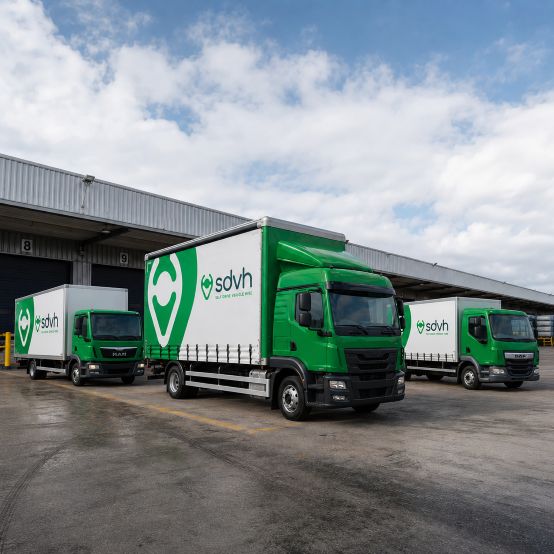
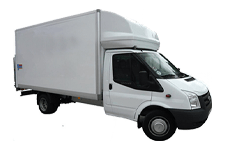
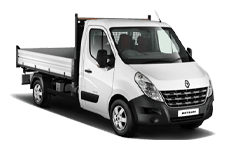
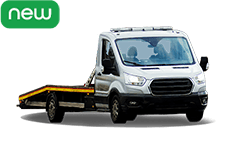
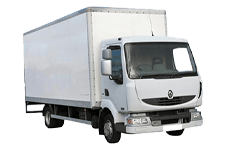
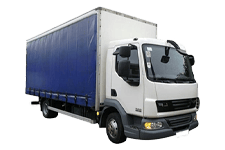
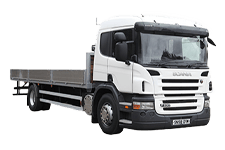
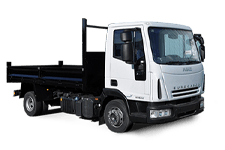
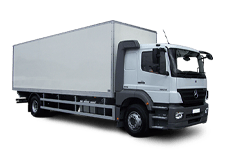
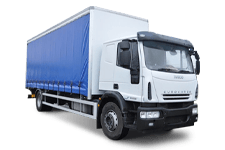
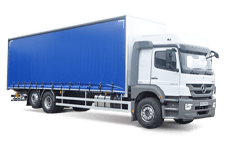
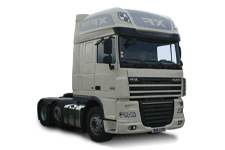
Which commercial vehicle suits you depends on the size of the load, any route restrictions and who will be driving. The smaller 3.5T options can suit many bulky moves, whereas 7.5T and heavier vehicles need closer checks on entitlement, operator requirements and delivery access. Subject to dates, driver details and availability, the range includes the Ford Luton 3.5 Tonne Box with Tail Lift, 3.5 Tonne Tipper Transit Truck, 3.5 Tonne Recovery Truck, 7.5 Tonne Box Truck With Tail Lift and 7.5 Tonne Curtain Side Truck. Because the exact make, model, transmission, seats, payload and licence position are confirmed at the quote stage, use the vehicle examples as a guide to the type of hire on offer rather than as a guaranteed booking of a specific model.
Describing Your Load in Detail
Before requesting a quote, decide which details matter most for your job and write them down in one place. A useful list might include the longest, widest and tallest item, an approximate total weight, the number of pieces, and whether anything is an awkward shape or particularly delicate. If some items are still unknown, note your best estimate and flag it as such. Access notes are worth recording too, such as narrow gateways, height barriers or limited parking at either end, since these may affect which vehicle class suits the work. Route information, including any roads you would rather avoid, can also be passed on. The more precise your written description, the more straightforward it becomes for the team to confirm whether a particular truck or lorry matches the job.
Planning the Return and Unloading Window
Timing is another detail worth settling early. Think about when the vehicle needs to come back and whether the unloading period has any constraints, such as a delivery slot, site opening hours or neighbours who would prefer the work finished by a certain time. If someone needs to accept goods at the far end, note their name and contact number so any questions on the day can be resolved quickly. You might also build a margin into your own schedule in case the task runs longer than expected. When you contact the team, you can share the hire period you have in mind, your planned return time and your unloading window, and raise any questions you still have about the arrangements before the hire begins.
Explore other truck hire areas
Last checks before booking
Before the hire is confirmed, check the main details: availability of the vehicle, what is required of drivers, mileage, insurance, delivery or collection arrangements and any extras requested. Weight, body style, mileage, cross-border use, driver status and commercial purpose can all alter truck terms, so these points should be checked before a vehicle is reserved. When making a request, include the date, how long you need the vehicle, the approximate route, the delivery or pickup address, the expected passengers or load, and any special requirements that could affect which vehicle is suitable.